
Why Your Handlebars Matter More Than You Think
Ask any mountain biker about their suspension setup or tire pressure, and they’ll probably give you a dialed-in number. But ask them about their handlebars—rise, sweep, width—and you’ll often get a shrug. That’s a problem.
Your handlebars are one of the three main contact points between you and your bike. They guide your line, absorb trail chatter, and affect your comfort on every ride. They’re not just a piece of shaped metal—they’re the steering wheel of your trail experience.
This post isn’t just another “buyer’s guide.” Instead, it’s a comprehensive deep dive into the real-world performance and comfort factors that matter, with insights to help you dial in the ultimate cockpit setup for your riding style, body, and terrain.
Core Handlebar Characteristics
Material Matters: Alloy, Carbon… and a Hint of Titanium
Most bars are made of aluminum alloy or carbon fiber, and each has a distinct feel.
Alloy is trusted, durable, and won’t destroy your wallet. It tends to bend before breaking, giving you a margin of safety.
Carbon is lighter and can be tuned for specific flex patterns that reduce vibrations. But it demands careful installation and inspection—over-torqued bolts or an unnoticed crash can cause hidden damage.
Titanium exists in a niche corner of the market. It offers a springy, supple ride feel that’s hard to describe—somewhere between steel and carbon. If you ever get the chance to try one, you’ll understand why some riders swear by them.
Bottom line? Each material has trade-offs. Choose based on how you ride and how much you’re willing to spend—not just on the bar itself, but on the care it requires.
Rise and Sweep: Shaping How You Sit and Steer
Rise refers to the vertical height difference between the clamp area and the grips. A higher rise can put you in a more upright position—great for enduro-style descending or casual trail riding. Lower rise suits cross-country riders who want a forward-leaning, aggressive stance.
Backsweep and upsweep influence wrist and elbow angles. A backsweep of around 7–9 degrees and upsweep of 4–6 degrees tends to work for most riders, but the feel is surprisingly personal. One degree off can make a huge difference in comfort.

Width: The Unsung Hero of Control

It’s tempting to just run the widest bar you can find. More leverage equals more control, right? Not always.
Riders with narrower shoulders or shorter torsos often benefit from trimming bars down. You’ll gain quicker steering response and reduce the risk of shoulder strain.
Wide bars shine in open terrain, but can feel cumbersome in tight switchbacks or tree-heavy trails.
Start wide—around 780–800mm—and cut down gradually. Most bars come with markings to guide clean, symmetrical cuts.
Interesting trend: Many pros, especially in technical races, now ride bars between 740mm–760mm. Don’t be afraid to experiment.
Clamp Diameter: Stiffness vs. Compliance
Modern handlebars come in two main clamp sizes: 31.8mm and 35mm. The latter was introduced for stiffness and strength, but stiffer isn’t always better.
A super-stiff front end can lead to harsh feedback and arm pump, especially on long descents. Some brands (like OneUp or Renthal) have engineered 35mm bars with intentional flex to soften the ride.
What matters most is how the whole system feels—bar, stem, grips, and even your gloves. Try different setups and trust your hands to guide you.

The Holistic Cockpit: It’s More Than Just the Bar
Handlebar-Stem Synergy: Tuning Reach and Feel
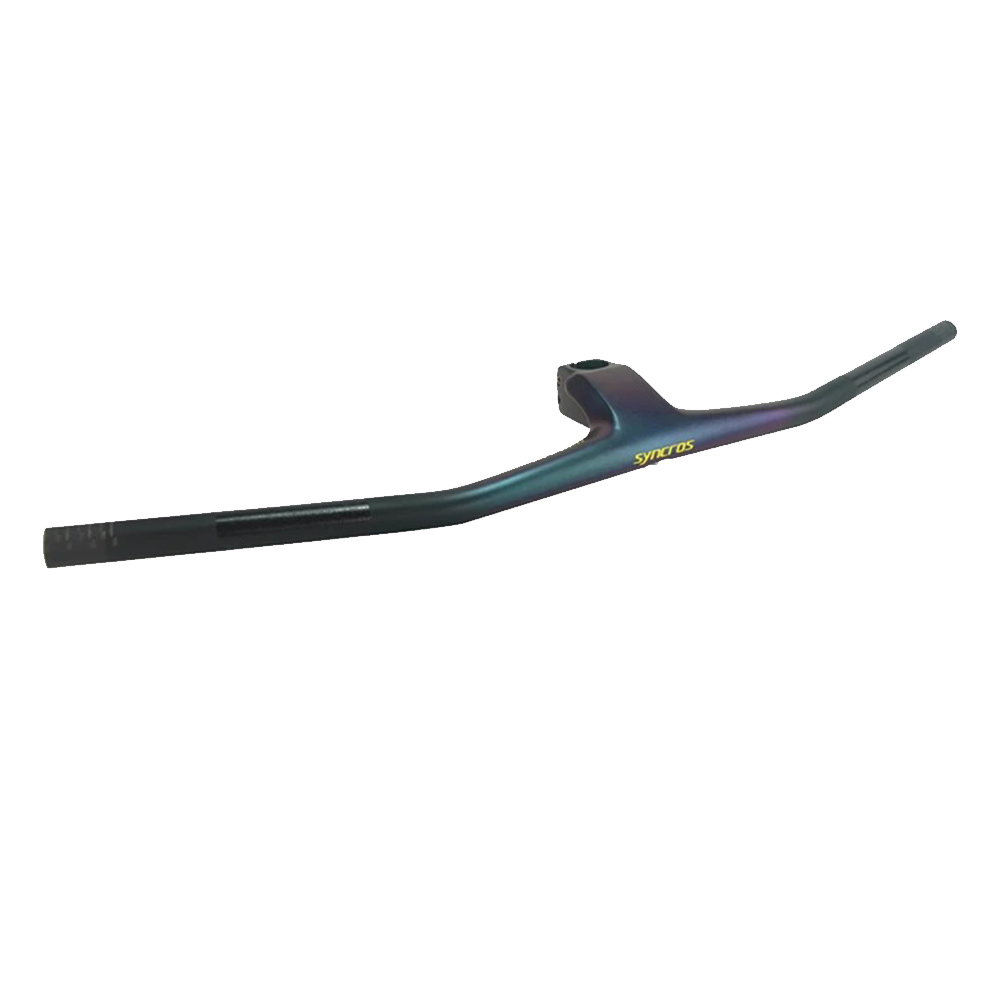
Think of your handlebar and stem as one unit. Change one, and the other has to adapt.
A short stem + high rise bar creates a playful, upright cockpit great for techy descents and manuals. A longer stem + low rise bar offers a stretched-out position for power and climbing efficiency.
Your ideal combo depends on your riding style and your bike’s frame geometry. Don’t change one without considering the other.

The Grip Connection: Where Vibration Meets Flesh
Grips are the unsung heroes of cockpit comfort. Their shape, thickness, and material can make or break your ride.
Thin grips offer feedback but less cushioning.
Thicker grips reduce vibration but can feel vague if oversized.
Ergonomic grips support palm position and reduce wrist strain, especially on long rides.
Match your grips to your handlebar’s stiffness and your hand size. Don’t overlook this detail—it can mean the difference between flow and fatigue.
Fit and Feel: Ergonomics in Motion
How do you know if your bars actually fit?
Simple: hop on your bike, close your eyes, and place your hands where they feel natural. If that position doesn’t align with your bars, it might be time for a change.
Pay attention to shoulder tension, elbow angle, and wrist alignment. If anything feels forced or twisted, your setup may be off. A professional bike fit can be eye-opening.
And yes, even bar plugs matter—open ends can slice in a crash. Install them and keep them snug.
Installation, Maintenance, and Fine-Tuning
A. Installation: Don’t Over-Torque It
Especially with carbon bars, torque settings are not optional. Use a torque wrench and check manufacturer specs. Over-tightening can crush the bar; under-tightening can lead to dangerous slippage.
When aligning your bars, start with a neutral roll (perpendicular to the fork), then fine-tune based on feel.
B. Cutting Bars: Go Slow, Measure Twice
Cutting bars isn’t hard, but it does take care. Use a pipe cutter or hacksaw with a guide, and always cut equal amounts from both ends.
After cutting, deburr the edges to prevent grip tearing or bar plug issues.
C. Maintenance: Inspect Before You Send It
After any big crash, inspect your bars—especially carbon ones—for damage. Look for cracks near the clamp area or signs of delamination. Run your fingers along the bar for anything unusual.
If in doubt, replace it. It’s not worth the risk.

Finding Your Perfect Match
There’s no one-size-fits-all solution to handlebars. That’s the beauty of it.
The right bar for you balances comfort, control, and confidence. It complements your stem and grips. It feels like an extension of your body.
Start by experimenting with what you already have. Take notes after rides. Pay attention to your wrists, your shoulders, your fatigue levels.
Then adjust. Refine. Repeat.
Because once you find the right setup, something clicks. You stop thinking about your cockpit—and start thinking only about the trail ahead.
Go out, ride, and feel your way to better performance. Your hands will thank you.