Ever finished a long ride with tingling hands, sore wrists, or aching arms? That “arm pump” or persistent discomfort isn’t always about your fitness; it could be your handlebars. For many cyclists, upgrading to a 31.8 carbon handlebar is the game-changer they’ve been searching for. These handlebars are lauded for their exceptional lightweight properties and remarkable ability to absorb road and trail vibrations, transforming your riding experience.
In this guide, we’ll dive deep into the world of carbon handlebars. You’ll discover the compelling benefits they offer, learn how to choose the perfect bar for your needs by navigating the specifications, master the essential installation practices, and even get a spotlight on advanced integrated systems like the Deda Alanera. Whether you’re a mountain biker tackling gnarly trails, a road cyclist chasing KOMs, or simply someone looking to optimize their bike’s cockpit for ultimate comfort and control, this guide will help you understand why carbon might just be your next essential upgrade.
Why Choose 31.8 Carbon Handlebars?
Superior Vibration Damping:
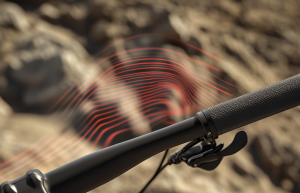
One of the most significant advantages of a 31.8 carbon handlebar is its unparalleled ability to absorb vibrations. Unlike aluminum (Alloy), carbon fiber, when expertly laid up, acts as a natural shock absorber. This inherent property allows carbon to dissipate high-frequency chatter from rough roads or trails, preventing it from reaching your hands and arms. The direct impact? Reduced rider discomfort, less hand fatigue, and a noticeable decrease in arm pump. This means you can ride harder, longer, and with greater control.
Significant Weight Savings:
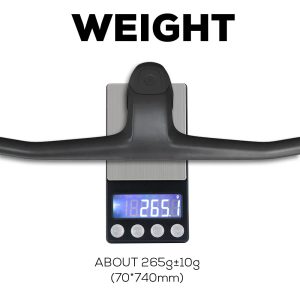
For cyclists obsessed with performance, every gram counts. 31.8 carbon handlebars are lighter than their aluminum counterparts, offering substantial weight savings at one of the most crucial points on your bike: the front end. A lighter handlebar contributes to a lower overall bike weight, making climbs easier and acceleration quicker. More importantly, it reduces the bike’s rotational inertia, leading to snappier steering response and improved maneuverability. This marginal gain translates into a more efficient and agile ride, whether you’re racing or enjoying a casual spin.
Tunable Compliance and Stiffness:
Modern carbon manufacturing is a marvel of engineering. Manufacturers can precisely tailor the carbon fiber layup to achieve specific characteristics within the handlebar. This means they can engineer 31.8 carbon handlebars to be vertically compliant – flexing just enough to soak up bumps and vibrations for improved comfort – while simultaneously maintaining exceptional lateral stiffness. This lateral rigidity ensures that when you push hard, pull on the bars, or steer into a corner, your inputs are directly translated to the front wheel without any unwanted flex. This is often referred to as “35mm done right” in the context of advanced designs, where the benefits of both compliance and stiffness are expertly balanced, as seen in innovative designs like OneUp’s unique ovalized bars or the Deda Alanera system.


Durability and Strength:
While some riders might harbor misconceptions about carbon fiber’s fragility, today’s 31.8 carbon handlebars are incredibly durable and strong. Advanced resins, sophisticated manufacturing processes, and rigorous testing ensure that these components can withstand immense forces and impacts. Carbon fiber excels in fatigue resistance, meaning it can endure countless cycles of stress without weakening, often outperforming aluminum in this regard. When properly installed and cared for, a high-quality carbon handlebar is a long-lasting and reliable component, designed to handle the rigors of even the most demanding riding conditions.
Clamp Diameter: 31.8mm vs. 35mm
The clamp diameter refers to the section of the handlebar that clamps into your stem. While 35mm bars have gained popularity, many riders still prefer 31.8mm carbon handlebars due to their perceived greater compliance and vibration-damping characteristics. The smaller diameter often allows for more engineered flex, providing a more forgiving ride. It’s crucial to match your handlebar’s clamp diameter to your stem’s clamp diameter to ensure a secure and safe connection. If you have a 31.8mm stem and want to retain it, a 31.8mm carbon bar is your direct upgrade path.
Width:
Measured from end-to-end, handlebar width influences leverage and steering. A wider bar generally offers more control and stability, especially on technical terrain, while a narrower bar can feel more agile and aerodynamic. Many handlebars come with cut marks, allowing you to fine-tune the width to your preference.
Rise:
This is the vertical height difference from the center of the clamp to the grips. A higher rise brings your hands up, creating a more upright and relaxed riding posture, often favored for trail riding or comfort. A lower rise (or flat bar) can provide a more aggressive, aerodynamic position, common in XC or road racing.

Backsweep/Upsweep:
These angles refer to how much the grips sweep back towards the rider (backsweep) and up from the horizontal plane (upsweep). They are critical for wrist comfort and natural hand positioning. Experimenting with different sweeps can alleviate wrist pain and improve overall cockpit ergonomics.
Rise, Sweep, and Width – Finding Your Fit
Beyond just "Carbon"
Not all carbon is created equal. The type of carbon fiber weave and the “layup” (how the carbon sheets are oriented and bonded) significantly impact a bar’s characteristics.
UD (Unidirectional) Carbon: This type of carbon fiber has all its fibers running in one direction, often resulting in a cleaner aesthetic and allowing engineers precise control over flex and stiffness in specific planes. Many high-performance carbon handlebars use a UD layup.
Other Weaves (e.g., 3K, 12K): These refer to the visible weave pattern on the surface. While primarily cosmetic, they can also indicate the type of carbon fiber used. Understanding the role of carbon layup in achieving desired ride qualities (e.g., vertical compliance for comfort, lateral stiffness for steering precision) is key to appreciating a well-engineered carbon handlebar.
Installation Best Practices: Ensuring Safety and Performance
The Importance of a Torque Wrench
This is perhaps the most crucial tool when installing carbon components. Carbon handlebars are highly sensitive to clamping forces.
Emphasize strict adherence to manufacturer’s torque specifications: Every carbon handlebar and stem will have a recommended torque range, typically between 4 to 5 Newton-meters (Nm) for the stem bolts. Always locate and follow these exact numbers, usually printed on the component itself or in the accompanying manual.
Consequences of over and under-tightening: Over-tightening can crush the carbon fibers, leading to catastrophic failure, often visible as cracks or delamination. Under-tightening can cause the handlebar to slip in the stem clamp, especially during aggressive riding, leading to loss of control. A quality, calibrated torque wrench eliminates guesswork and ensures the bolts are tightened precisely to the manufacturer’s specifications.

Using Carbon Assembly Paste
Often overlooked, carbon assembly paste (sometimes called friction paste or grip paste) is a cyclist’s best friend when installing carbon components.
Its role in increasing friction and preventing slippage at lower torque: This paste contains microscopic abrasive particles that increase friction between the clamping surfaces (handlebar and stem). This enhanced grip allows you to achieve a secure connection with lower bolt torque, significantly reducing the risk of damaging the carbon. It’s especially useful for preventing saddle or seatpost slippage as well.
Cleanliness is Key
Before any installation, ensure all mating surfaces are meticulously clean.
Why clean mating surfaces are crucial: Any dirt, grease, or moisture on the interface between the handlebar and stem can compromise the friction and bonding, leading to slippage or improper torque readings. Use isopropyl alcohol to thoroughly clean both the handlebar’s clamping area and the inside of the stem clamp before applying assembly paste. This ensures a clean, strong, and reliable connection.
Avoiding Common Pitfalls
Mixing materials without insulation (galvanic corrosion): If you’re combining carbon with certain metals (like aluminum), especially in damp environments, galvanic corrosion can occur. This electrochemical reaction can degrade the carbon. Use proper isolation layers, such as plastic washers or specific carbon-compatible components, to prevent direct metal-on-carbon contact where necessary.
Ignoring manufacturer instructions: Every carbon component comes with specific guidelines. These are not suggestions; they are vital for safety and performance. Always read and follow them meticulously.
Excessive force during component installation: Carbon fiber needs to be treated delicately. When installing shifters, brake levers, or other accessories onto your handlebar, avoid applying excessive force that could deform or damage the material. Gently press components into place with only the necessary force required to secure them, then tighten to the specified torque.
Regular Inspections
Even after perfect installation, routine checks are essential.
Importance of routine checks for wear or damage: Regularly inspect your 31.8 carbon handlebar for any signs of damage, such as cracks, chips, or unusual creaks, especially after a crash or if you ride in demanding conditions. Pay close attention to clamping areas around the stem and levers. Early detection of issues can prevent catastrophic failure and ensure continued safety on your rides.
Find Your Perfect Carbon Handlebar
Ready to upgrade your ride? Explore a vast selection of high-quality carbon fiber handlebars for both mountain and road bikes at your favorite online bike accessories store. From the latest 31.8 carbon handlebars designed for ultimate comfort and compliance to integrated systems that redefine aerodynamics, you’ll find the perfect component to enhance your cycling experience.
What are the benefits of using a 31.8mm carbon handlebar compared to an aluminum one?
A 31.8 carbon handlebar offers superior vibration dampening and a lighter weight than its aluminum counterparts. This can significantly reduce rider fatigue and arm pump on rough terrain. While both materials are strong, carbon fiber allows manufacturers to engineer specific flex characteristics, providing a more compliant ride vertically for comfort while maintaining lateral stiffness for precise steering. This makes it a great upgrade for improving bike fit and overall ride quality.
What is the correct torque setting for a 31.8 carbon handlebar to prevent damage or slippage?
Always follow the manufacturer's specified torque setting for your carbon handlebar and stem, which is typically between 4 to 5 Nm. Using a reliable torque wrench is crucial to avoid over-tightening, which can crush the carbon, or under-tightening, which can cause the handlebar to slip. For added security, a thin layer of carbon assembly paste can be applied to the clamping area, which increases friction and allows for lower torque settings.
How do I choose the right rise, sweep, and width for my riding style?
Choosing the right geometry is key to a comfortable and controlled riding position. Width affects leverage and control; a wider bar offers more stability, while a narrower one is more agile. Rise (how much the bar goes up from the stem) and sweep (the angle of the bar toward the rider) are critical for your bike fit and ergonomics. A higher rise can provide a more upright and comfortable position, while sweep can alleviate wrist strain. Consider your body size and riding style when making a selection.
What are the common mistakes to avoid when installing a carbon handlebar?
To ensure the safety and longevity of your 31.8 carbon handlebars, avoid these common installation errors. Never over-tighten the stem bolts or any accessories. Use a quality torque wrench and follow all manufacturer's recommendations. Make sure the clamping surfaces are clean and free of grease. Also, avoid mixing dissimilar metals without a proper isolation layer to prevent galvanic corrosion, especially in wet conditions. Proper installation is critical for both performance and rider safety.
Do carbon handlebars help reduce hand fatigue and vibration on the trail?
Yes, a well-designed carbon fiber handlebar can dramatically reduce hand fatigue and arm pump by effectively absorbing high-frequency vibrations from the trail. The inherent properties of carbon fiber and the specialized manufacturing process allow for a more compliant ride, which can make a huge difference on long or bumpy rides. This is a primary reason why many riders upgrade to a carbon bar, even at the cost of a slightly higher price tag. The goal is to maximize comfort and control.
How can I tell if a carbon handlebar is a good quality product?
A high-quality carbon handlebar is characterized by several factors. Look for a reputable brand with a proven track record, as they invest in rigorous testing and quality control. The bar's construction, such as a unidirectional (UD) carbon layup, contributes to its strength and ride characteristics. Check for precise specifications regarding dimensions, torque ratings, and safety certifications. Additionally, customer reviews and professional tests often provide valuable insight into a bar's real-world performance, durability, and overall value.